• All About Me!
  • PME 801: Collaborative Inquiry
  • PME 810: Intregrated Planning, Instruction and Assessment
  • PME 811: Innovation in Teaching and Learning
  • Program Evaluation Design for PME 802
  • Self-Regulated Inquiry and Learning

Janet Kuyvenhoven

Janet Kuyvenhoven

Monthly Archives: February 2017

School’s out for the Summer!

25 Saturday Feb 2017

Posted by janetandshane in Uncategorized

≈ Leave a comment

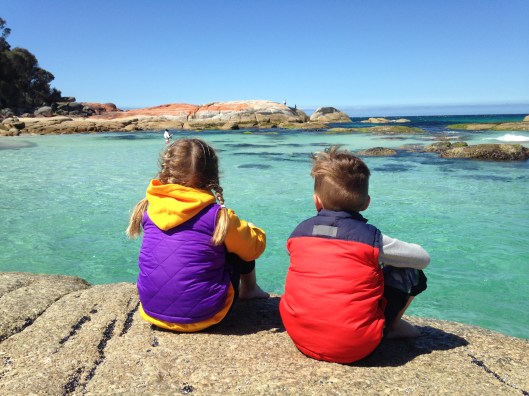
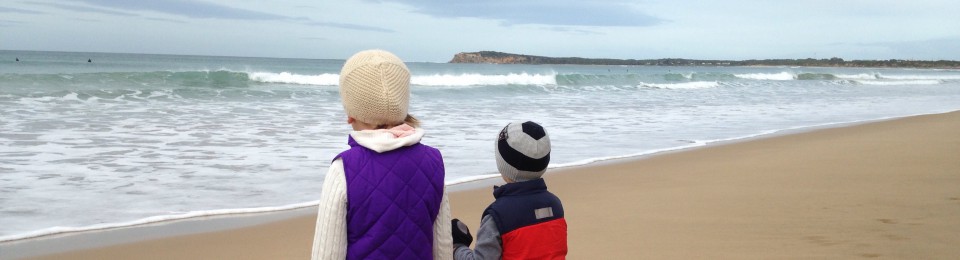
It’s the end of December and school is finished for the year. Alexis has completed her first year of school here in Australia and is moving on to grade 1 in February. But first, it’s time for 6 weeks of summer holidays! This summer holidays, we spent most of our time in Torquay. Having the beach at our doorstep, it seemed logical to stay here for the summer and enjoy every minute of it!

img_6362
img_6334
img_6254
img_6263

We did take a one short holiday away, a few days in Warrnambool with Shane, while he worked at his shop there. Alexis and Reid have watched the movie ‘Oddball’ several times and love it. This movie takes place in Warrnambool and is based on a true story about a Maremma dog who protects the fairy penguins that live on Middle Island from hungry foxes. While we were in Warrnambool for a few days, we had the opportunity to meet the next generation of Maremma dogs, Eudi and Tula, who are the current guard dogs working on Middle Island. The two people who care for the dogs and work on the penguin project, took us on a tour to Middle Island so we could see where the dogs work and what they do. We were hoping to see some fairy penguins as well but because we were there at midday, most of the penguins would have been out at sea.

img_6039
img_6038

To get to the island, we wore life jackets and hiked up our pants as we had to walk through a little bit of water to get there. At low tide, it is possible to walk to Middle Island in water about ankle deep. The tide wasn’t quite at its lowest when we walked over to Middle Island and Reid and Alexis ended up waist-deep in water.

img_6042
img_6062

Eudi and Tula, the guard dogs, spend 5 out of 7 days a week on the island, wandering back and forth on the boardwalk that has been built for them. The dogs stay on the boardwalk so they do not disturb the hundreds of burrows and nests that have been built by the penguins and birds on the island. The dogs spend their days off on a farm just outside of Warrnambool.

img_6040
img_6046
img_6048

Since the dogs have been introduced to the island, there have been no penguins attacks by foxes. The program has been a tremendous success and the number of penguins has gone from 10 at its lowest point, to over 150 penguins today. The project is training up the next generation of Maremma dogs, a boy and a girl, to be ready to take over for Eudi and Tula when they retire.

img_6061
img_6053
img_6050
img_6058

On our second day in Warrnambool, we visited Tower Hill Wildlife Reserve. Tower Hill’s location boasts of an ancient crater and other volcanic features with an abundance of wildlife. There are five self-guided walks there, each with a different theme. We decided to tackle two of the five walks; the Peak Climb, a 30 minute steep hike to the top of Tower Hill with stunning views of the surrounding area and the Lava Tongue Boardwalk, a 30 minute hike along a boardwalk through the wetlands to admire the wildlife living there.

img_6092
img_6079
img_6080
img_6076
img_6073
img_6068
img_6093
img_6097

As we were making our way back to the carpark, we spotted a koala in a tree. We watched it for a while and to our surprise, the koala climbed down the tree and wandered off to find a new tree to climb. We followed the koala, from a safe distance of course, and watched him move from one tree to another and then go to sleep again!

img_6100
img_6109
img_6104
img_6107
img_6096

After Warrnambool, the excitement of Christmas came and went and we started to look forward to some of the other activities we had planned for the summer holidays. During the first and second weeks of January, a group of teenagers made their way to Torquay to run a camp called Beach Mission, a free, Christian-based camp for kids age prep to year 9. Alexis and Reid were excited to be involved this year and attended everyday. Reid was hesitant to participate on his own, but after 5 days, he forgot I was even there! This was a major break through for him. He even stood front and centre on stage when the Beach Mission group led the songs at church on Sunday!

img_6306
img_6303
img_6304
img_6306
img_6305
img_6308

img_6313

Later in January, Alexis and Reid both enrolled in VicSwim, an open water swimming program where they learned some important skills and knowledge about water safety in and around the ocean. Although the weather wasn’t great, Alexis still enjoyed her lessons. Reid, on the other hand, required an enormous amount of encouragement to participate.

img_6332
img_6331
img_6378
img_6336
img_6350
img_6346

Playing at the beach for the remainder of the morning after the lessons, was more fun than the lessons themselves!

img_6357
img_6366
img_6373
img_6350

Summer by the Sea is program offered to kids all over the Surfcoast and Bellarine area, focusing on learning about our beautiful beaches, the creatures that live there and how to care for them. Reid and Alexis joined a Beach Detectives session where they had to solve a murder case. A penguin had died and they needed to figure out how and why. The lesson to learn was to pick up your own rubbish as well as take three pieces with you every time you go to the beach, it can save the lives of many marine animals.

img_6416
img_6425
img_6428

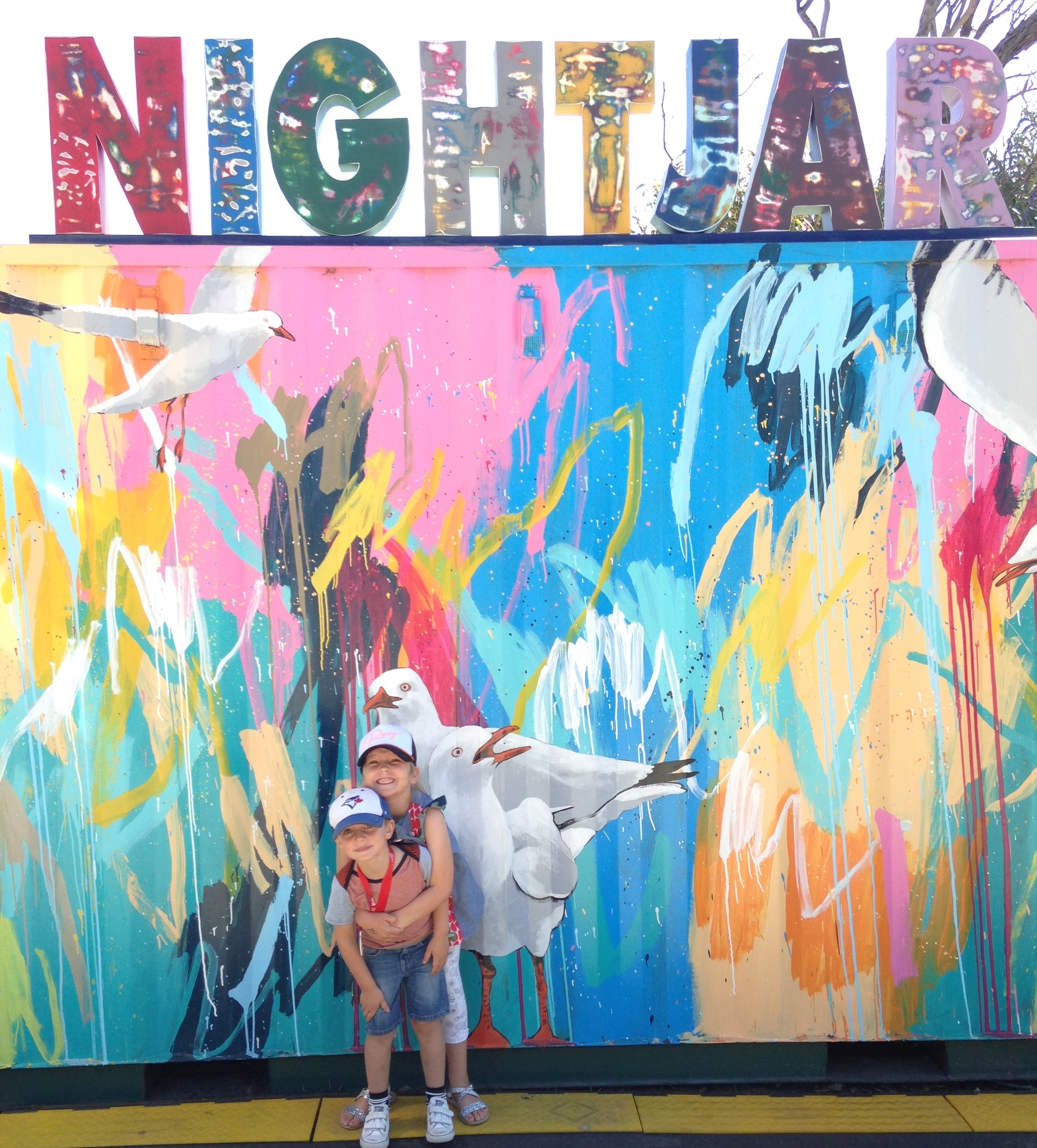
No summer is complete without an evening at the Nightjar festival, a vibrant, colourful and eclectic mix of a night market, music festival, food stalls and showcase for local artists. In the month of January, the Nightjar went on every Thursday night in Torquay.

img_6443
img_6447
img_6445

img_6444.jpgFinally, a summer would not be complete without a trip to the strawberry farm. We went to Tuckerberry Hill Farm to pick our own strawberries and blueberries. After a very successful harvest, and a costly one, we had plenty of strawberries to eat and make jam with as well as loads of blueberries to enjoy.

img_6384
img_6386
img_6391
img_6395
img_6394
img_6392
img_6400
img_6402
img_6399
img_6396
img_6401
img_6403


Christmas at the Beach

25 Saturday Feb 2017

Posted by janetandshane in Uncategorized

≈ Leave a comment

This was our second Christmas in Torquay so we knew what to expect this year. It still did not feel like Christmas because of the long hot summer days but we enjoyed the time nonetheless. This year, Alexis was in school right up until a couple of days before Christmas so we didn’t participate in as many Christmas activities as we did last year.

We began our Christmas celebrations with Oma, Opa and Allison when they were here in the beginning of December. We went to Carols by the Bay in Geelong to enjoy some traditional and non-traditional Christmas carols. We also had our BBQ Christmas dinner with them, complete with all the fixings, Christmas crackers, decorations and Christmas apparel too!

img_5963
img_5962
img_5960
img_5948
img_5943
img_5950

Similar to last year, Alexis and Reid entered into the gingerbread house competition at the RACV. With the help of Oma and Allison, they made two beautiful houses, decorated with all kinds of yummy chocolates and lollies.

img_5955
img_5970
img_5956
img_5971
img_6140
img_6137

This year, Alexis was part of the choir at her school. This gave her the opportunity to sing at Carols by the Sea in Torquay. She was really excited to be a part of the show and did an excellent job singing!

img_6007
img_6006
img_6001

This year, Alexis and Reid seemed to have an ever-changing, always-growing wish list for Santa. When we visited him at the Geelong carrousel this year, Reid asked for a boy baby doll and a basketball and Alexis asked for a telescope and a camera. Both Alexis and Reid were quite happy to sit with Santa and have a chat with him this year, a big change from years past.

img_5991
img_5988
img_5987
img_5994
img_5996
img_5995
img_6172
img_5990
img_6134
img_6128
img_6133
img_6131

img_6125.jpg

On Christmas Eve, Santa made his way around Torquay with the Fire Brigade to visit the children one last time before his trek around the world.  While here in Australia, it has become custom for us to have finger food and open presents on Christmas eve, very slowly in an attempt to make it last as long as possible. And finally, we left out some cookies and milk for Santa along with a note from Alexis.

img_6161
img_6164
img_6169
img_6156
img_6177
img_6182

Christmas morning, Santa came with a sack full of presents and a stocking full of goodies for both Alexis and Reid.

img_6186
img_6187

After the presents had been opened and a special breakfast was enjoyed, we went to church to celebrate the real reason for Christmas, the birth of Christ. For the afternoon, we went to the beach and enjoyed the beautiful blue sunny skies with a refreshing swim in the ocean. What a great way to spend Christmas together as a family here in Australia.

img_6207
img_6189
img_6198
img_6188

img_6208


The Pursuit of the Tassie Devil

22 Wednesday Feb 2017

Posted by janetandshane in Uncategorized

≈ Leave a comment

Tasmania, an island off Australia’s south coast, is known for its rugged wilderness, great food and wine, small cities, charming towns and clean air. With only a limited amount of time, we decided to explore the east coast of Tasmania, anticipating the historic Port Arthur, the unique wildlife on Maria Island, the breathtaking Wineglass Bay, the stunning coast of Bay of Fires and the vibrant cities of Launceston and Hobart.
We picked up our rental van from the airport in Hobart and began our six day road trip. We planned to drive the Great Eastern Drive, a journey that stretches along the east coast of Tasmania from Port Arthur in the south to St. Helen’s in the north.
img_6490
018f326ba4df4f1ef80c302917c5395cec700d5b55
img_6498

Our first stop was Port Arthur, about 100km from Hobart. Port Arthur is a place where Tasmania’s rich history comes alive. It is known as a former prison or penal colony, however, it was much more than just a prison. Back in the day, it was a complete community, home to military personnel and free settlers, in addition to the prisoners. The convicts worked in farming and industries, producing a large range of resources and materials. It was a place where parties were had, beautiful gardens were created to be enjoyed and where children played and attended school.

img_6495
img_6497
img_6492
OLYMPUS DIGITAL CAMERA

The Port Arthur penal station was established in 1830 as a timber-gathering camp, using convicts from England as labourers. In 1833, it was used as a punishment station for repeat offenders. Later on, it changed into a place where men could be reformed through discipline and punishment, religious and moral instruction, classification and separation, and training and education. By 1840, more than 2000 convicts, soldiers and civilians lived at Port Arthur which was a major industrial settlement at this time, producing everything from stone and bricks to furniture and clothing, boats and ships.

016640141282df7d6bb03c32f8b29ede9bfb0ecc24-copy-2
0124866434e5697f2defdcebc336c14c40d1474b9b-copy-2
01162876e54ccfde4b59a9c6e12e9cae743c432a70
01cc51ff622f5fff342a026e03af2bad070f39ab15
011d445f7002b0cb7b099b14935c3d1d477c248f9b
01de2fd6d48b18e1f08ccfea7dc4cbabc1253da90b
01a0212df4057175a95cdf8f21f8bb1ac7503e4827
01e270381fc6f4cb25f4615e82e6356515cf285066
012899c8270b6afb29bbcf1bd8312c79bcd1063f31
0195ef896027baf7a8a8d8219914e9b3b26cedd128
01908ca1e1bbae5b10c62b4ca99cf345f3e6a1dd9f
01f430635bdbb44082d62e000194309d6eb6c424b2

A short ferry ride from the site brought us to Isle of the Dead cemetery where deceased prisoners were buried and the site of the prison for the boys, where the boys were separated from the men prisoners to ensure their safety and proper treatment.

014092c3e43c18d76765ce0222902729dad51cfb00
01d228fef7f1c2efc3d8570680916312cbca6f0625
018b2713df05db2d24cd0fbb7fb82a89f3c3be16d3
01d204b786b47aa436256c5baccbd081ac964a1bfb

When convict transportation to Tasmania ended in 1853, Port Arthur became an institution for aging and physically and mentally ill convicts. In 1877, the penal settlement closed and later became a historic site.

015212644de19dc364dcf23f884acd04a4533d08ff-copy
018d40c81bb099b5e0586bbb155f4ab3007db6f2ab

Our first night in Tasmania, we stayed in Orford in a beautiful cottage on the river, about 100km north of Port Arthur and just south of Triabunna, which would be our jumping off point for Maria Island.

img_5610
img_5608
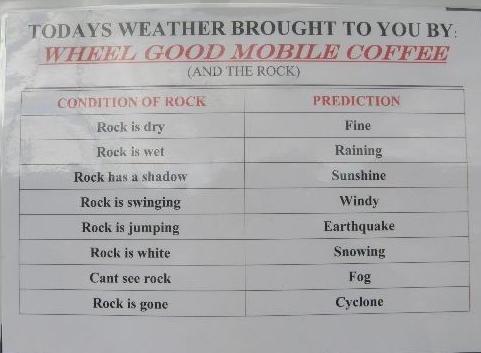
The next morning, we drove the short distance to Triabunna to catch a passenger boat to Maria Island.  While waiting for the boat, we had decided to get groceries for breakfast and lunch for the day as there is no place on the island to purchase food. We quickly learned that the stores and restaurants in these small, charming towns do not open until at least 9am and are closed by 5pm. We found a coffee truck that served breakfast and waited for the grocery store to open before we could buy our lunch for the day. The food truck also served as the weather forecasting station. OLYMPUS DIGITAL CAMERA
Maria Island is a natural wildlife sanctuary with sweeping bays, dramatic cliffs as well as  ruins of a convict probation station at Darlington. Darlington was a convict punishment station in 1825 and lasted for 7 years. From 1843 to 1850, it became a convict probation station where the focus was on reform through hard labour, religious instruction and education. In the end, Darlington was an unsuccessful penal station due to the ease at which convicts were able to escape by swimming away from the island to the mainland.
017fbf74715d3b46dc3f33e7cae930d398e9729d70
0128420b87fb06fc96016972f4c7ef5c574ec5310d
img_6494

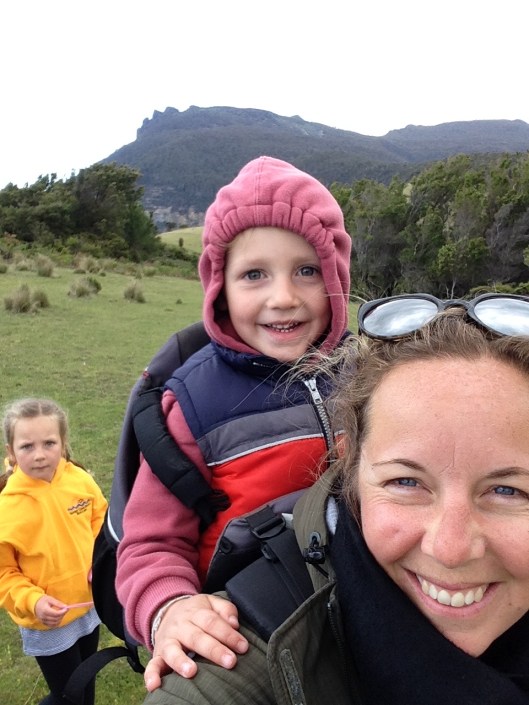
We walked the Fossil Cliffs circuit, which was 4.1km hike, to view the dramatic cliffs and stunning coastline as well as the fossils of shells embedded into the rock face.
013a16a7a57ba0bf44d3267f04efe82b7592660efd
018a28eca087652ec43c28daf0bea98910e865b90a
01604fb9255c70242a433b32599ab8a78f4694341a
img_5627
img_5618

014bec019fddb4414c4c1f2be488a86faaeb595f76

The Painted Cliffs circuit, 4.3km hike, was the second walk we tackled. The Painted Cliffs, at the end of Hopground Beach, are stunning cliffs with beautifully exposed patterns. The ground water percolating through the sandstone, leaving traces of iron oxides, has stained the rock formation to create these gorgeous cliffs, along with the mineral-rich water and wind, which has given it its shape.

img_5657
img_5655
img_5654
img_5682-copy
01ef96716c995b5cd3e11c15fa2e7a53c28988e6ab
01e9568959ad3f0ebf211e65c38967aeba9ee5d4a6
img_5651
img_5663
img_5664-copy
01fda2cdeeedc8a4dd1c188b8d0c252319cfe24f34
010f6694fb09496c3fbe8c8b77de88db77ed73abf7
img_5651
01ef96716c995b5cd3e11c15fa2e7a53c28988e6ab
01e9568959ad3f0ebf211e65c38967aeba9ee5d4a6

One of the main reasons we went to Maria Island, was to see some of Australia’s native animals in their natural habitat. Before we arrived on the island, Alexis had a list of animals that live there, animals such as kangaroos, wallabies, wombats, Tasmanian devils and the rare and unique Cape Barren goose. We found many of these animals but much to Reid’s disappointment, we did not see a Tassie devil (‘Tassie double,’ as Reid calls it).

img_5669-copy
img_5679-copy
img_5665-copy
img_5681-copy

After a day at Maria Island, we drove to Coles Bay, 100km north of Triabunna. Coles Bay is a quiet seaside village on the edge of Freycinet National Park. The drive was stressful as we drove on winding, narrow roads through remote bush at dusk. The fear of hitting an animal was real as there were signs posted everywhere. We later learned that more animals are killed per km of road in Tasmania than anywhere else in the world, with an estimate of up to 500,000 animals killed a year.img_5687-copy
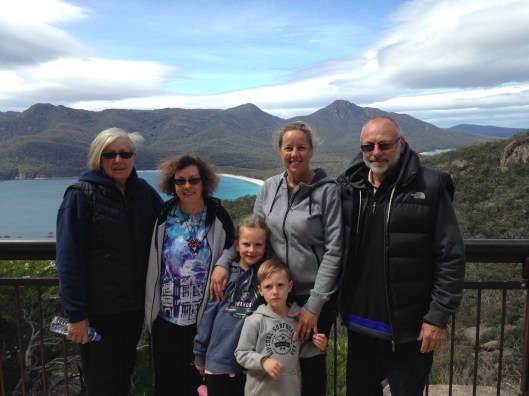
Freycinet National Park is known for its rugged, pink-hued, granite peaks called the Hazards and is home to the world famous Wineglass Bay, a bay with sugar-white sand and beautiful turquoise-blue water. Our first full day in Coles Bay, we hiked the 2.5km return up the Hazards to the Wineglass Bay lookout to admire the spectacular view and the beauty of Wineglass Bay.

img_5689-copy
img_5690-copy
img_5688-copy
img_5691-copy
img_5695-copy
img_5696-copy

The hike took us twice as long as the sign suggested it should! Too many Tim Tam breaks!
img_5698-copy
img_5699-copy
img_5709-copy
img_5713-copy
img_5715
img_5702-copy
img_5701-copy

img_5719img_5730
After the equally challenging hike down from Wineglass Bay lookout, we drove out to the Cape Tourville Lighthouse lookout where Opa saw a whale in the far off distance.

img_5741
img_5742
img_5743

We drove back to our cottage in Coles Bay for lunch and a rest before heading out for dinner. We went to Tombolo Freycinet that evening and enjoyed delicious pizza with a spectacular view of the mighty, pink Hazards behind us.img_5753
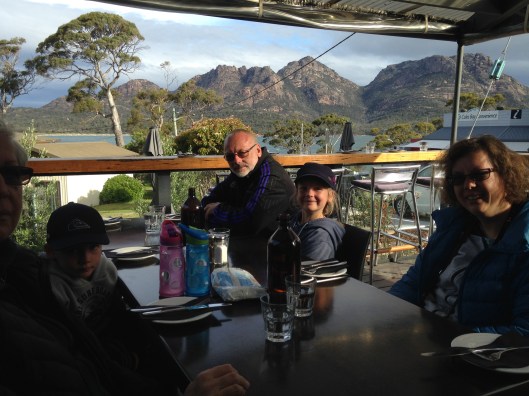
We learned by this point that if we did not get to a grocery store by 5pm, it would be too late and we would have to wait until at least 9am the next morning. Tasmania’s east coast is dotted with very small, charming, country towns which proved meals to be a challenge. We needed to be organized and think ahead to be prepared.

Later that evening, we drove to Bicheno from Coles Bay to view the fairy penguins. Just outside of Bicheno, there is a penguin rookery where the public can only access with a tour. Our guide took us down to the beach just after sunset to watch these beautiful creatures waddle out of the water and up to their burrows. We were lucky enough to see baby penguins in some burrows, waiting for their parents to come back. One baby even waddled out its burrow and between Oma’s feet!

bicheno-penguin-tours_19-high-quality
bicheno-penguin-tours_18-high-quality
bicheno-penguin-tours_17-high-quality
bicheno-penguin-tours_7-high-quality
bicheno-penguin-tours_11-high-quality
bicheno-penguin-tours_14-high-quality
bicheno-penguin-tours_4-high-quality-1
bicheno-penguin-tours_3-high-quality

The next day, we left Coles Bay and headed north to Nature World. Nature World is a wildlife sanctuary that offers a close up and interactive experience to learn about the unique Tasmanian animals.

img_5803-copy
img_5788-copy
img_5798

The main reason for our visit was to see the greatly anticipated Tasmanian devil. We had no luck spotting one in the wild, so the wildlife sanctuary was the next best option. We were able to watch the keeper feed the devils, which was quite a show as two of them fought over one piece of meat for a long time.

img_5814
img_5778

Nature World is a place that focuses on the conservation of unique Tasmanian animals, such as the Tasmanian devil, as well as rescuing animals that have been injured or orphaned. We learned a lot about the devils and the wombats in particular, and also enjoyed viewing the beautiful birds as well as feeding the friendly kangaroos.

img_5793
img_5822-copy
img_5821-copy
img_5767-copy
img_5768-copy
img_5763-copy
img_5755-copy

Baby wombats are very cuddly and friendly until they are about 2 yrs old. This baby wombat was brought to the sanctuary because he was an orphan and was happy to have a cuddle and a back scratch.

img_5820-copy
img_5819-copy

There is evidence of Tasmania’s convict past no matter where you go. Over 70,000 men, women and children were transported to Van Diemen’s Land in the early 1800s as convicts. It’s a story of crime, punishment, hardship and survival set in some of the most beautiful places on earth. For example, the Spiky Bridge, built by convicts in 1843, is made from field stones laid vertically, giving the bridge a spiky appearance. It is claimed that it was designed this way to prevent the cattle from falling over the edge, but no one really knows if this is true.

img_5685-copy
img_5686-copy
012388ba2d95f9de9686258e000b85d9b13b2632a9

We continued driving north towards the Elephant Pass, a stunning drive inland and up a mountain to reach St. Mary’s. We stopped at the top to eat at the famous Mount Elephant Pancake Barn. We enjoyed delicious pancakes with ice cream and chocolate. However, we nearly had to do the dishes to pay for it as we discovered they only accept cash. Luckily, they have a system, where they give you an addressed envelope and when you drive through to St. Mary’s, you can take out money, put it in the envelope and post it to the Pancake Barn from there.img_5826
After lunch, we drove back down the mountain, back towards the coast and north to the Bay of Fires. This extraordinary part of Tasmania’s east coast may be the most beautiful coastline in the world. With miles of unspoilt, sugar-white sandy beaches with impossibly clear water, dotted with massive, brilliant orange-coloured granite boulders, it felt as if we were the only people around. This area was given the name Bay of Fires in 1773 by Captain Tobias Furneaux who saw the fires from the Aboriginal people on the beaches. We spent only a few hours exploring this coast but could have spent days there! img_5846-copy

img_5840-copy
img_5844-copy
img_5855-copy
img_5865-copy
img_5867
img_5866-copy
img_5860-copy
img_5862-copy
img_5834-copy

img_5868

After having a play on the beach, climbing over the boulders and running from the waves, we carried on towards Launceston. We stayed two nights in Launceston, in a beautiful heritage property turned into a hotel. img_5876

The highlight in Launceston for us was exploring the Cataract Gorge. The magnificent Cataract Gorge is a river gorge just a 10 minute wander from the city centre, however, the bushland, the cliffs and the ice-cold South Esk River here felt a million miles from town. img_5918

img_5877
img_5878
img_5884
img_5887
img_5916
img_5917
img_5915

We hiked the Cataract Walk from King’s Bridge up to First Basin. The walk was beautiful as it hugged the cliffs on one side and plunged to the mighty South Esk River on the other. To cross over the river at the First Basin, we took a chairlift. This chairlift travelled at a slow and leisurely pace so we could fully appreciate the stunning views. We then carried on to the Alexandra Suspension Bridge to cross back over the river and return to the Cataract Walk. What a beautiful place!

img_5889
img_5906
img_5904
img_5893
img_5912

The next day, we drove to Hobart, the final destination of our Tassie road trip. That evening, we decided to venture into Hobart’s city centre. After a very stressful drive from the hotel to a downtown carpark (we had been driving through small country towns with no traffic for far too long), we wandered around the waterfront in search of Tasmanian fish and chips. We found ourselves in the famous Salamanca Square where we ended up at a brewery that served fish and chips as well as burgers, which kept everyone happy.

img_5922
img_5923
img_5926

img_5924

Sadly, our trip had come to an end. We enjoyed Tasmania, its beauty, the charming small towns, the unique wildlife and the fascinating history. The only thing we regret is that we didn’t have more time to explore and enjoy this naturally beautiful, laid-back treasure. img_5934

Being a Preppie

04 Saturday Feb 2017

Posted by janetandshane in Uncategorized

≈ Leave a comment

Alexis had the opportunity to start school in Australia as a ‘Preppie’. The Prep year is the first year in school and most students are 5 years old. We enrolled Alexis into Torquay College, the local primary school within walking distance of our house. After we moved to Torquay, Alexis had six months before school started. We spent that time getting settled into our new life and meeting new friends. When Alexis started prep, she was ready and excited. There were no tears and she confidently walked into her classroom and got to work. Alexis met and made friends quickly and enjoyed her new teacher, Mr. Brown. It was definitely a much better experience than her first year at school in Canada!

img_3261
img_2842
img_2866

Reid and I (especially Reid) missed Alexis everyday while she was at school but because we were at home, we had the opportunity to be involved in her school life as much as possible. I joined the Parent and Carer group, I volunteered in her classroom and read with the students, I went on excursions with her class-and when I say ‘I’, I actually mean Reid and I because we always come as a pair these days! We also joined in the special events that went on around the school.

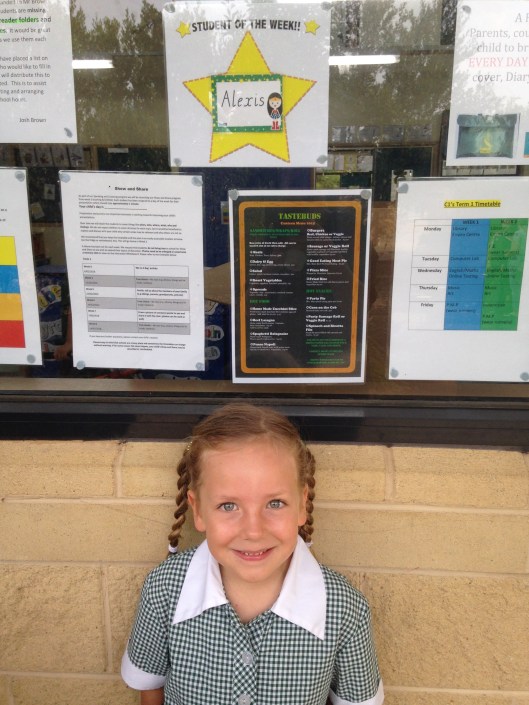
Being awarded Student of the Week:

img_2979

Be a character from a book day:

img_4488
img_4490
img_4491

Olympics day (her class represented Canada!):

img_4384
img_4374
img_4386
img_4376
img_4372
img_4370

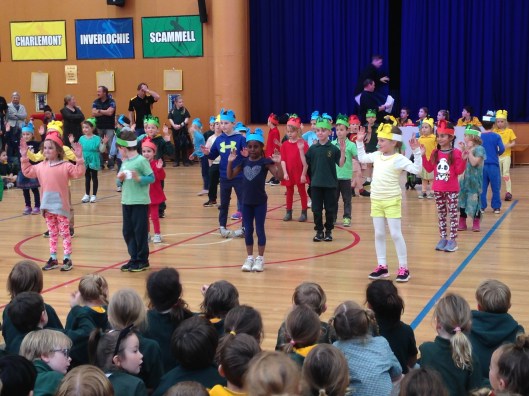
Preppie dance:

img_4117
img_4124

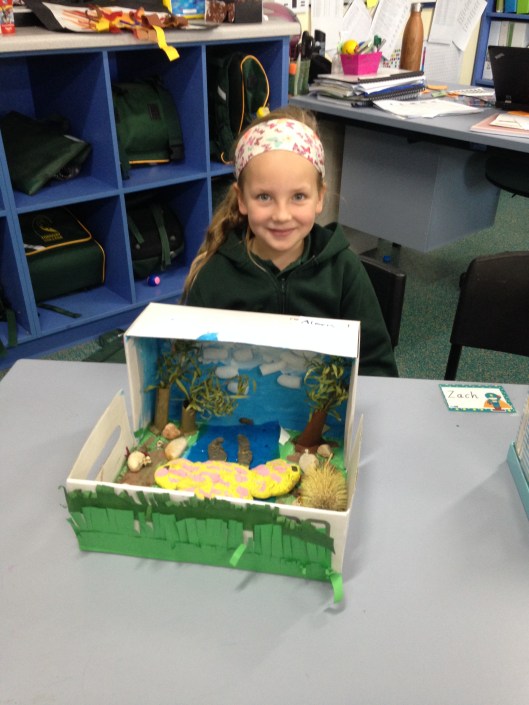
Diorama presentation day (it’s a butterfly):

img_4161

Alexis’ class ran the weekly assembly this week:

img_4543

Crazy hair day:

img_4162
img_4163

Prep athletics day (Alexis won the 50m dash!):

img_5524
img_5539
img_5525
img_5533
img_5532

Choir performance at Carols by the Sea:

img_6001
img_6006

Last day of school and break up class party:

img_6012
img_6021

It has been an incredible year of excitement, learning and personal growth for Alexis. We have missed having her with us but I am so thrilled and excited to have watched her grow and become more confident in herself. She has gone from a little girl who would speak to no one, clinging to my leg to a young school girl who helps her classmates, volunteers to speak at assemblies, organizes games at recess time and enjoys being a leader amongst her peers. What an incredible priviledge for me to be able to be involved in her school life this year. What an amazing year she has had and wonderful experiences she has endured this year!

img_5078
img_4364

Hiking the Grampians

03 Friday Feb 2017

Posted by janetandshane in Uncategorized

≈ Leave a comment

The Grampians National Park seems to be a popular place for Victorians to visit, vacation, camp and hike. We decided to see for ourselves what the Grampians are all about. We had spent some time in a town called Hamilton because we had tagged along with Shane for work. From Hamilton, we drove to a small tourist village called Halls Gap, situated in the heart of The Grampians National Park. As we were driving towards our destination, it was impossible to miss this majestic island of mountain and forest rising out of the flat farmland all around it. The Grampians are home to a vast array of native animals and plants as well as a rich Aboriginal history. It is said that the Aboriginal people have been connected to this place for over 22,000 years.

With limited time, we decided to head for Halls Gap as a base to explore and admire the awe-inspiring landscapes. While in the Grampians, Victorians, first of all, camp and from there, there are endless treks to tackle, treks along rugged cliffs and cascading waterfalls. There is plenty of fishing and canoeing on the lakes amongst the mountains as well as getting up close to the inquisitive native animals such as koalas, kangaroos and emus.

img_4701
img_4703
img_4705

The first trek we decided to tackle was a fairly short and easy one, Mackenzie Falls. Mackenzie Falls is one of Victoria’s largest waterfalls and flows year round. The trek was more of an easy stroll through the bush where we saw the effects of a major forest fire from several years ago. It was amazing to see how life has been rebuilt in the forest and how green it is amongst the blackened tree trunks. The waterfall was beautiful and because of the rain in the past few days, it was full and fast flowing.

img_4675
img_4676
img_4683
img_4678
img_4677
img_4679

The second trek we attempted was one that reached The Pinnacle. The Pinnacle is one of the best vantage points in the Grampians for fantastic scenic views that stretch over a vast expanse of the park and surrounding country. This trek was considered to be more strenuous than the previous one. It was a 4.2km return walk that included some small water crossings and rock-hopping as well as some slippery boulders to climb over. We left the carpark feeling very optimistic and excited to enjoy the view of The Grampians from the spectacular vantage point of The Pinnacle. However, part way through the trek, it began to get slippery because of the rainy mist we had been having throughout the day. The rock-hopping proved challenging not only for the kids, but for Shane and I as well. Alexis and Reid were troopers and made it all the way to The Pinnacle. When we reached the top, it was so windy and rainy that it was difficult to even look out to admire the view. Bound and determined to make it, we only took a few photos at the top as we feared that we may blow off the cliff top! To our surprise and absolute delight, a rainbow appeared as we were standing there. It made the trek worth every bit of effort it took. The way back down to the car was more challenging as the kids knew the obstacles that lay ahead. The backup pack of M&Ms in my pocket was the motivation we needed to get back to the carpark.

img_4685
img_4687
img_4690
img_4691
img_4692
img_4694
img_4696
img_4700
img_4699

Subscribe

  • Entries (RSS)
  • Comments (RSS)

Archives

  • July 2018
  • June 2017
  • May 2017
  • April 2017
  • March 2017
  • February 2017
  • December 2016
  • November 2016
  • September 2016
  • May 2016
  • April 2016
  • March 2016
  • February 2016
  • November 2015
  • October 2015
  • September 2015
  • August 2015

Categories

  • Australia Travels
  • Uncategorized

Meta

  • Create account
  • Log in

Blog at WordPress.com.

  • Subscribe Subscribed
    • Janet Kuyvenhoven
    • Already have a WordPress.com account? Log in now.
    • Janet Kuyvenhoven
    • Subscribe Subscribed
    • Sign up
    • Log in
    • Report this content
    • View site in Reader
    • Manage subscriptions
    • Collapse this bar
 

Loading Comments...